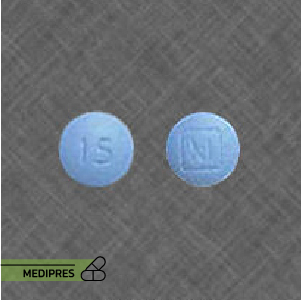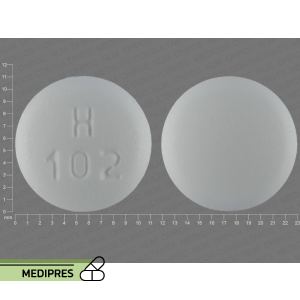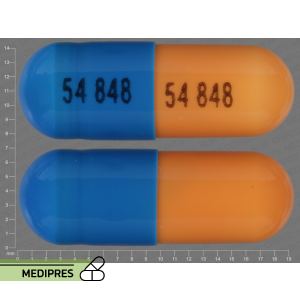

Metoclopramide
23 June, 2023
Minoxidil
23 June, 2023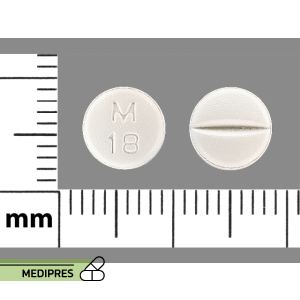
Metoprolol Succinate
Generic name: Metoprolol Succinate
Drug class: Beta-1 Adrenergic Blocker (Beta-Blocker)
Dosage form: Extended-Release Tablets
Root of administration: Oral
Dose:
- Hypertension: Initial dose: 25 to 100 mg once daily; Maintenance dose: 100 to 400 mg once daily.
- Angina Pectoris: Initial dose: 100 mg once daily; Maintenance dose: 100 to 400 mg once daily.
- Heart Failure: Initial dose: 12.5 to 25 mg once daily; Maintenance dose: 100 to 200 mg once daily.
Mechanism of action: Metoprolol Succinate is a selective beta-1 adrenergic antagonist that reduces heart rate and myocardial contractility, leading to decreased cardiac output and blood pressure. It also inhibits renin release from the kidneys, reducing angiotensin II and aldosterone levels, which further lowers blood pressure and decreases cardiac workload.
Drug usage cases:
- Hypertension (High Blood Pressure)
- Angina Pectoris (Chest Pain)
- Heart Failure
- Acute Myocardial Infarction (Heart Attack)
- Supraventricular Tachycardia (Irregular Heartbeats)
- Ventricular Tachycardia
- Migraine Prevention
- Thyrotoxicosis (Hyperthyroidism)
Drug contraindications:
- Hypersensitivity to Metoprolol or any component of the formulation
- Bradycardia (Slow Heart Rate)
- Hypotension (Low Blood Pressure)
- Heart Block (Second or Third Degree)
- Severe or Worsening Heart Failure
- Cardiogenic Shock
- Severe Peripheral Arterial Disease
- Uncontrolled Pheochromocytoma
Side effects:
- Fatigue
- Dizziness
- Bradycardia (Slow Heart Rate)
- Hypotension (Low Blood Pressure)
- Depression
- Shortness of Breath
- Cold Extremities
- Gastrointestinal Disturbances (e.g., nausea, diarrhea)
- Sexual Dysfunction
- Sleep Disturbances (e.g., insomnia, vivid dreams)
- Weight Gain
- Hair Loss (Alopecia)
Warnings:
- Do not abruptly discontinue Metoprolol Succinate; gradual dose reduction is recommended to avoid exacerbation of angina or precipitate myocardial infarction.
- Monitor heart rate and blood pressure regularly during treatment.
- Use with caution in patients with a history of asthma or chronic obstructive pulmonary disease (COPD); may cause bronchospasm.
- Exercise caution in patients with diabetes; Metoprolol may mask symptoms of hypoglycemia.
- Monitor for signs of heart failure exacerbation, especially during dose titration.
- Use with caution in patients with hepatic impairment; dose adjustments may be necessary.
- May cause dizziness or drowsiness; caution when driving or operating heavy machinery.
- Alcohol may enhance the blood pressure-lowering effect; limit alcohol intake during treatment.
Use during pregnancy or breastfeeding:
Metoprolol Succinate is classified as a Pregnancy Category C drug, indicating that risk to the fetus cannot be ruled out. It should be used during pregnancy only if the potential benefit justifies the potential risk to the fetus. Metoprolol is excreted in breast milk; caution should be exercised when administering to nursing mothers. A decision should be made whether to discontinue nursing or discontinue the drug, taking into account the importance of the drug to the mother.