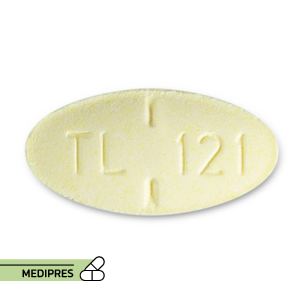

Microgestin 24 FE birth control
23 June, 2023
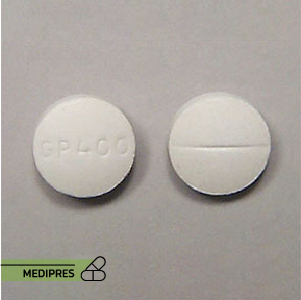
Miglitol
23 June, 2023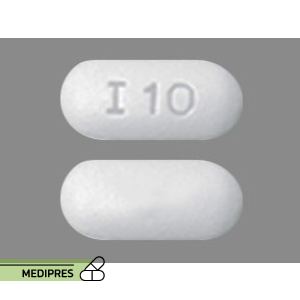
Midol
Description
Generic name:
Varies by formulation; consult label. Commonly includes acetaminophen, caffeine, and pyrilamine maleate (Midol Complete) or naproxen sodium (Midol Extended Relief).
Drug class:
Analgesic combination (nonopioid analgesic, stimulant, antihistamine or NSAID).
Dosage form:
- Oral tablets
- Caplets
Root of administration:
Oral
Dose:
Varies by formulation; typical adult dosing:
- Midol Complete: 2 caplets every 6 hours, not to exceed 8 caplets in 24 hours.
- Midol Extended Relief: 1 tablet every 12 hours, not to exceed 2 tablets in 24 hours.
Refer to product label for specific formulation dosing.
Mechanism of action:
- Acetaminophen: central analgesic and antipyretic via COX inhibition in the CNS.
- Caffeine: CNS stimulant; enhances analgesic effect and diuresis.
- Pyrilamine maleate/pamabrom: antihistamine/diuretic reducing water retention.
- Naproxen sodium: nonsteroidal anti-inflammatory inhibiting COX-1 and COX-2.
Drug usage cases:
- Primary dysmenorrhea (menstrual cramps)
- Headache
- Muscle aches and pains
- Backache
- Bloating and water retention
- Off-label: mild arthritis pain, tension headaches
Drug contra indications:
- Hypersensitivity to acetaminophen, NSAIDs, caffeine or antihistamines
- History of aspirin- or NSAID-induced asthma or urticaria
- Severe hepatic or renal impairment
- Active peptic ulcer disease or GI bleeding
- During late pregnancy (for NSAID formulations)
- Narrow-angle glaucoma (for antihistamine formulations)
- Concurrent MAOI therapy
Side effects:
- Drowsiness, sedation
- Insomnia, restlessness
- Dizziness, headache
- Nausea, gastrointestinal discomfort
- Dry mouth (pyrilamine)
- Tachycardia, palpitations (caffeine)
- Elevated blood pressure
- Hepatotoxicity (acetaminophen overdose)
- Renal impairment (NSAID)
- Hypersensitivity reactions (rash, anaphylaxis)
Warnings:
- Risk of hepatotoxicity; avoid exceeding recommended dose or concomitant acetaminophen.
- Risk of GI bleeding, ulceration, perforation with NSAIDs.
- May cause drowsiness; avoid driving or operating machinery.
- Caffeine may cause nervousness, insomnia, tachycardia.
- Diuretic components may lead to electrolyte imbalance.
- Use with caution in hypertension, heart disease, renal impairment.
- Stop use and consult physician if symptoms persist or worsen.
Use during pregnancy or breastfeeding:
Acetaminophen is generally considered safe in pregnancy at recommended doses; NSAIDs should be avoided in the third trimester due to risk of premature closure of the ductus arteriosus. Caffeine intake should be limited. Antihistamines may cause sedation in mother and infant; consult a healthcare professional before use during pregnancy or lactation.