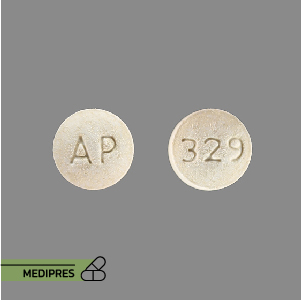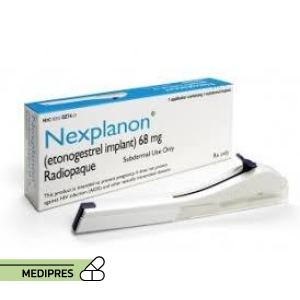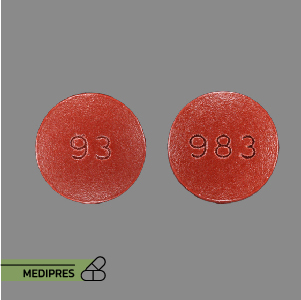

Nexletol
23 June, 2023
Nilutamide
23 June, 2023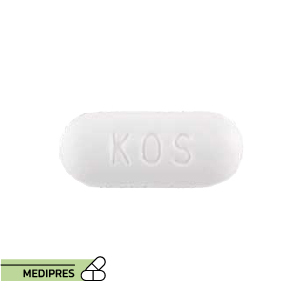
Niacin
Generic name: Niacin (nicotinic acid)
Drug class: Miscellaneous antihyperlipidemic agents, Vitamins
Dosage forms: Tablets, Capsules, Sustained-Release Tablets/Capsules, Controlled-Release Tablets/Capsules, Liquid Suspension, Intravenous (IV) Solution.
Root of administration: Oral, Intravenous
Dose:25, 50, 100, 250, 500 mg
Mechanism of action: Niacin, also known as vitamin B3 or nicotinic acid, has various mechanisms of action in the body due to its involvement in multiple metabolic processes.
Drug usage cases: Niacin is used to lower blood levels of “bad” cholesterol (low-density lipoprotein, or LDL) and triglycerides, and increase levels of “good” cholesterol (high-density lipoprotein, or HDL). Niaspan is used to lower the risk of a heart attack in people who have high cholesterol and who have a history of heart attacks. Niaspan can also be used with another cholesterol medicine to slow down the build-up of fatty deposits in your arteries.
Drug contra indications: You should not take niacin if you are allergic to it. To make sure you can safely take niacin, tell your doctor if you have ever had:
severe liver disease; a stomach ulcer; or active bleeding. Tell your doctor if you have ever had:
liver disease; kidney problems; heart disease, chest pain (angina); gout, diabetes. Do not give niacin to a child without medical advice.
Side effects: Get emergency medical help if you have signs of an allergic reaction to niacin: hives; difficult breathing; swelling of your face, lips, tongue, or throat. Call your doctor at once if you have:
heart attack symptoms – chest pain or pressure, pain spreading to your jaw or shoulder, nausea, sweating; high blood sugar – increased thirst, increased urination, dry mouth, fruity breath odor; unexplained muscle pain, tenderness or weakness; a light-headed feeling, like you might pass out; irregular heartbeats; severe warmth or redness under your skin; vision problems; or jaundice (yellowing of the skin or eyes).
Warnings: You should not take niacin if you have severe liver disease, a stomach ulcer, or active bleeding. Niacin can cause certain side effects, such as flushing (warmth, itching, redness, or tingly feeling under your skin). These effects can be made worse if you drink alcohol or hot beverages shortly after you take this medicine. These effects should disappear over time as you keep taking the medication. Avoid getting up too fast from a sitting or lying position, or you may feel dizzy. Get up slowly and steady yourself to prevent a fall. Avoid taking colestipol (Colestid) or cholestyramine (Locholest, Prevalite, Questran) at the same time you take niacin. If you take either of these other medications, take them at least 4 to 6 hours before or after you take this medicine. Niacin is only part of a complete program of treatment that may also include diet, exercise, weight control, and other medications. Follow your diet, medication, and exercise routines very closely.
Use during pregnancy or breastfeeding: It is not known whether niacin will harm an unborn baby. You may not be able to use this medicine during pregnancy. Tell your doctor right away if you become pregnant. You should not breastfeed while using this medicine.