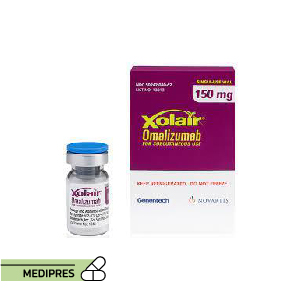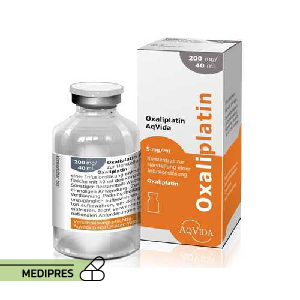

Octreotide
23 June, 2023
Olaparib
23 June, 2023
Ofloxacin
Generic name: Ofloxacin
Drug class: Quinolones and fluoroquinolones
Dosage forms: Tablet
Root of administration: Oral
Dose: 200, 300, 400 mg
Mechanism of action: Ofloxacin is a fluoroquinolone antibiotic that fights bacteria in the body.
Drug usage cases: Ofloxacin is used to treat bacterial infections of the skin, lungs, prostate, or urinary tract (bladder and kidneys). Ofloxacin is also used to treat pelvic inflammatory disease and Chlamydia and/or gonorrhea. Fluoroquinolone antibiotics can cause serious or disabling side effects that may not be reversible. Ofloxacin should be used only for infections that cannot be treated with a safer antibiotic.
Drug contra indications: You should not use ofloxacin if you are allergic to ofloxacin or other fluoroquinolones (ciprofloxacin, gemifloxacin, levofloxacin, moxifloxacin, norfloxacin, and others). Ofloxacin may cause swelling or tearing of a tendon (the fiber that connects bones to muscles in the body), especially in the Achilles’ tendon of the heel. This can happen during treatment or up to several months after you stop taking ofloxacin. Tendon problems may be more likely in certain people (children and older adults, or people who use steroid medicine or have had an organ transplant). Tell your doctor if you have ever had:
tendon problems, bone problems, arthritis, or other joint problems; blood circulation problems, aneurysm, narrowing or hardening of the arteries; heart problems, high blood pressure; a genetic disease such as Marfan syndrome or Ehler’s-Danlos syndrome; diabetes; a muscle or nerve disorder, such as myasthenia gravis; liver or kidney disease; a seizure; long QT syndrome (in you or a family member); or low levels of potassium in your blood (hypokalemia). Ofloxacin is not approved for use by anyone younger than 18 years old.
Side effects: Get emergency medical help if you have signs of an allergic reaction (hives, difficult breathing, swelling in your face or throat) or a severe skin reaction (fever, sore throat, burning in your eyes, skin pain, red or purple skin rash that spreads and causes blistering and peeling). Ofloxacin can cause serious side effects, including tendon problems, side effects on your nerves (which may cause permanent nerve damage), serious mood or behavior changes (after just one dose), or low blood sugar (which can lead to coma). Stop taking ofloxacin and call your doctor at once if you have:
low blood sugar–headache, hunger, sweating, irritability, dizziness, nausea, fast heart rate, or feeling anxious or shaky; nerve symptoms in your hands, arms, legs, or feet–numbness, weakness, tingling, burning pain; serious mood or behavior changes–nervousness, confusion, agitation, paranoia, hallucinations, memory problems, trouble concentrating, thoughts of suicide; or signs of tendon rupture–sudden pain, swelling, bruising, tenderness, stiffness, movement problems, or a snapping or popping sound in any of your joints (rest the joint until you receive medical care or instructions). In rare cases, ofloxacin may cause damage to your aorta, the main blood artery of the body. This could lead to dangerous bleeding or death. Get emergency medical help if you have severe and constant pain in your chest, stomach, or back. Also, stop using ofloxacin and call your doctor at once if you have:
severe stomach pain, diarrhea that is watery or bloody; fast or pounding heartbeats, fluttering in your chest, shortness of breath, and sudden dizziness (like you might pass out); the first sign of any skin rash, no matter how mild; muscle weakness, breathing problems; little or no urination; a seizure (convulsions); increased pressure inside the skull–severe headaches, ringing in your ears, vision problems, pain behind your eyes; or liver problems–upper stomach pain, loss of appetite, dark urine, clay-colored stools, jaundice (yellowing of the skin or eyes).
Warnings: Ofloxacin can cause serious side effects, including tendon problems, nerve damage, serious mood or behavior changes, or low blood sugar. Stop using this medicine and call your doctor at once if you have symptoms such as: headache, hunger, irritability, numbness, tingling, burning pain, confusion, agitation, paranoia, problems with memory or concentration, thoughts of suicide, or sudden pain or movement problems in any of your joints. In rare cases, ofloxacin may cause damage to your aorta, which could lead to dangerous bleeding or death. Get emergency medical help if you have severe and constant pain in your chest, stomach, or back.
Use during pregnancy or breastfeeding: It is not known whether this medicine will harm an unborn baby. Tell your doctor if you are pregnant. You should not breast-feed while using this medicine.