
Oxacillin injection
23 June, 2023
Oxcarbazepine Suspension
23 June, 2023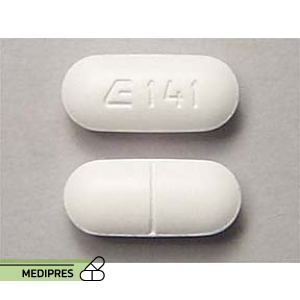
Oxaprozin Tablets
Generic name: Oxaprozin
Drug class: Nonsteroidal anti-inflammatory drug (NSAID)
Dosage form: Tablets (300 mg, 600 mg, and 1200 mg)
Root of administration: Oral
Dose: Adults: 600 mg to 1200 mg once daily. Pediatric patients (6 years and older): 600 mg once daily for those weighing 22–31 kg; 900 mg once daily for those weighing 32–54 kg; 1200 mg once daily for those weighing ≥55 kg.
Mechanism of action: Oxaprozin inhibits cyclooxygenase (COX) enzymes, leading to decreased synthesis of prostaglandins, thereby reducing inflammation, pain, and fever.
Drug usage cases:
- Osteoarthritis
- Rheumatoid arthritis
- Juvenile rheumatoid arthritis
- Gout
- Ankylosing spondylitis
Drug contraindications:
- Hypersensitivity to oxaprozin or any component of the formulation
- History of asthma, urticaria, or other allergic-type reactions after taking aspirin or other NSAIDs
- Active gastrointestinal bleeding or peptic ulcer disease
- Coronary artery bypass graft (CABG) surgery (perioperative period)
Side effects:
- Gastrointestinal: Abdominal pain, nausea, vomiting, diarrhea, dyspepsia, peptic ulcer, gastrointestinal bleeding
- Cardiovascular: Hypertension, edema, increased risk of heart attack and stroke
- Renal: Renal dysfunction, including decreased urine output, fluid retention, and electrolyte disturbances
- Hematologic: Anemia, increased bleeding time
- Dermatologic: Rash, pruritus, photosensitivity
- Neurological: Dizziness, drowsiness, headache, tinnitus
- Hypersensitivity reactions: Anaphylaxis, angioedema, exfoliative dermatitis, Stevens-Johnson syndrome, toxic epidermal necrolysis
- Hepatic: Elevated liver enzymes, jaundice, hepatitis
- Other: Weight gain, fluid retention, increased potassium levels (hyperkalemia)
Warnings:
- Cardiovascular: Increased risk of serious cardiovascular thrombotic events, including myocardial infarction and stroke; risk may be higher with prolonged use or in patients with existing cardiovascular disease
- Gastrointestinal: Risk of serious gastrointestinal adverse events, including bleeding, ulceration, and perforation; these events can occur without warning and may be fatal
- Renal: Potential for renal toxicity; monitor renal function during treatment, especially in patients with pre-existing renal impairment
- Hematologic: Monitor for signs of bleeding; discontinue if significant bleeding occurs
- Dermatologic: Discontinue if signs of serious skin reactions develop
- Hepatic: Monitor liver function tests; discontinue if significant liver dysfunction occurs
- Pregnancy: Contraindicated in the third trimester; use during the first and second trimesters only if the potential benefit justifies the potential risk to the fetus
- Breastfeeding: Caution is advised; excretion in breast milk is unknown
Use during pregnancy or breastfeeding: Oxaprozin is contraindicated during the third trimester of pregnancy due to potential risks to the fetus, including premature closure of the ductus arteriosus. During the first and second trimesters, it should be used only if the potential benefit justifies the potential risk to the fetus. Caution is advised when using oxaprozin during breastfeeding, as excretion in breast milk has not been evaluated.