
Oxymorphone (Oral)
23 June, 2023
Paliperidone
23 June, 2023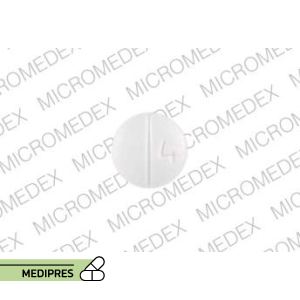
Palgic
Generic name: Carbinoxamine
Drug class: Antihistamines
Dosage form: 4 mg tablets, 4 mg/5 mL oral solution
Root of administration: Oral
Dose: Adults: 4 to 8 mg orally every 6 to 8 hours; not to exceed 24 mg/day. Children over 2 years: 2 mg orally every 6 to 8 hours; not to exceed 12 mg/day. Children under 2 years: Not recommended due to risk of serious adverse effects.
Mechanism of action: Carbinoxamine is a first-generation antihistamine that blocks histamine H1 receptors, reducing allergic symptoms by preventing histamine from binding to its receptors in the body.
Drug usage cases:
- Seasonal allergic rhinitis (hay fever)
- Perennial allergic rhinitis
- Vasomotor rhinitis
- Allergic conjunctivitis
- Urticaria (hives)
- Angioedema
- Dermatographism
- Adjunctive treatment for anaphylactic reactions (in combination with epinephrine)
- Amelioration of the severity of allergic reactions to blood or plasma
Drug contra indications:
- Hypersensitivity to carbinoxamine or any component of the formulation
- Concurrent use with monoamine oxidase inhibitors (MAOIs)
- Newborns and premature infants
- Breastfeeding women
- Lower respiratory tract symptoms, such as asthma
Side effects:
- Common: Sedation, dizziness, blurred vision, dry mouth and throat, palpitations, tachycardia, abdominal distress, constipation, headache
- Serious: Confusion, urinary retention, glaucoma exacerbation, arrhythmias
Warnings:
- Use with caution in elderly patients due to increased risk of side effects
- May impair mental alertness; avoid driving or operating heavy machinery until effects are known
- Alcohol and other central nervous system depressants may enhance sedative effects
- Use with caution in patients with cardiovascular disease, hypertension, hyperthyroidism, or prostatic hypertrophy
- Not recommended for children under 2 years of age due to risk of serious adverse effects
Use during pregnancy or breastfeeding: Carbinoxamine is classified as a pregnancy category C drug, indicating that risk to the fetus cannot be ruled out. It is excreted in breast milk; therefore, breastfeeding is contraindicated during treatment. Consult a healthcare provider before use during pregnancy or lactation.