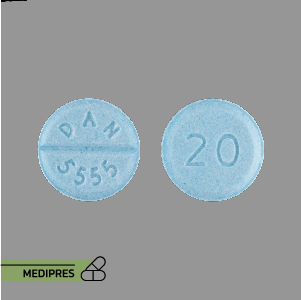

Phenylephrine
23 June, 2023
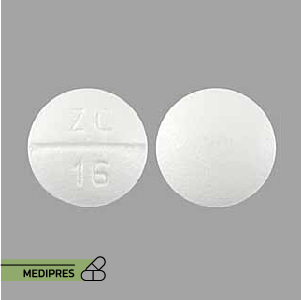
Pramipexole
23 June, 2023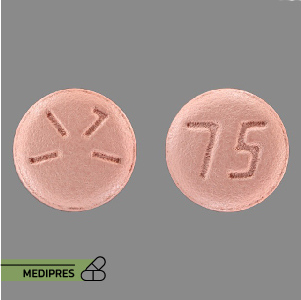
Plavix
Generic name: Clopidogrel
Drug class: Platelet aggregation inhibitors
Dosage forms: Tablet
Root of administration: Oral
Dose: 75, 300 mg
Mechanism of action: Plavix prevents platelets in your blood from sticking together to form an unwanted blood clot that could block an artery.
Drug usage cases: Plavix is used to lower your risk of having a stroke, blood clot, or serious heart problem after you’ve had a heart attack, severe chest pain (angina), or circulation problems.
Drug contra indications: You should not use Plavix if you are allergic to clopidogrel, or if you have:
any active bleeding; or a stomach ulcer or bleeding in the brain (such as from a head injury). Tell your doctor if you have ever had:
an ulcer in your stomach or intestines; or a bleeding disorder or blood clotting disorder. Plavix may not work as well if you have certain genetic factors that affect the breakdown of this medicine in your body. Your doctor may perform a blood test to make sure Plavix is right for you.
Side effects: Get emergency medical help if you have signs of an allergic reaction to Plavix: hives; difficult breathing; swelling of your face, lips, tongue, or throat. Plavix increases your risk of bleeding, which can be severe or life-threatening. Call your doctor or seek emergency medical attention if you have bleeding that will not stop, if you have blood in your urine, black or bloody stools, or if you cough up blood or vomit that looks like coffee grounds. Also call your doctor at once if you have:
nosebleeds, pale skin, easy bruising, purple spots under your skin or in your mouth; jaundice (yellowing of your skin or eyes); fast heartbeats, shortness of breath; headache, fever, weakness, feeling tired; little or no urination; a seizure; low blood sugar – headache, hunger, sweating, irritability, dizziness, fast heart rate, and feeling anxious or shaky; or signs of a blood clot – sudden numbness or weakness, confusion, problems with vision or speech.
Warnings: Plavix keeps your blood from coagulating (clotting) to prevent unwanted blood clots that can occur with certain heart or blood vessel conditions. Because of this drug action, Plavix can make it easier for you to bleed, even from a minor injury. You should not use this medicine if you have any active bleeding such as a stomach ulcer or bleeding in the brain. Plavix increases your risk of bleeding, which can be severe or life-threatening. Call your doctor or seek emergency medical attention if you have bleeding that will not stop, if you have blood in your urine, black or bloody stools, or if you cough up blood or vomit that looks like coffee grounds. Do not stop taking this medicine without first talking to your doctor, even if you have signs of bleeding. Stopping clopidogrel may increase your risk of a heart attack or stroke. If you need surgery or dental work, tell the surgeon or dentist ahead of time that you take Plavix.
Use during pregnancy or breastfeeding: This medicine is not expected to harm an unborn baby. Tell your doctor if you are pregnant. You should not breastfeed while using this medicine.