
Prochlorperazine
23 June, 2023
Prozac
23 June, 2023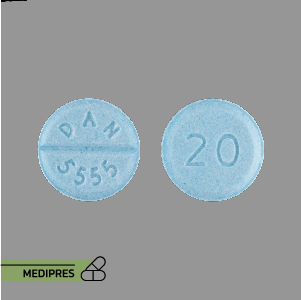
Propranolol
Generic name: Propranolol
Drug class: Group II antiarrhythmics, Non-cardioselective beta blockers
Dosage forms: Intravenous solution, Capsule, extended release, Liquid, Solution, Tablet
Root of administration: Oral
Dose: Intravenous solution: 1 mg/ml. Capsule, extended release: 60, 80, 120, 160 mg. Liquid :4.28 mg/ml. Solution: 20 mg/5 ml, 40 mg/5 ml, Tablet :10, 20, 40, 60, 80 mg.
Mechanism of action: Propranolol is a beta-blocker. Beta-blockers affect the heart and circulation (blood flow through arteries and veins).
Drug usage cases: Propranolol is used to treat tremors, angina (chest pain), hypertension (high blood pressure), heart rhythm disorders, and other heart or circulatory conditions. It is also used to treat or prevent heart attack, and to reduce the severity and frequency of migraine headaches. Hemangeol (propranolol oral liquid 4.28 milligrams) is given to infants 5 weeks to 1 year old to treat a genetic condition called infantile hemangiomas. Hemangiomas are caused by blood vessels grouping together in an abnormal way. These blood vessels form benign (non-cancerous) growths that can develop into ulcers or red marks on the skin. Hemangiomas can also cause more serious complications inside the body (in the liver, brain, or digestive system).
Drug contra indications: You should not use propranolol if you are allergic to it, or if you have:
asthma; history of slow heart beats that have caused you to faint; severe heart failure (that required you to be in the hospital); or a serious heart condition such as “sick sinus syndrome” or heart block (2nd or 3rd degree, unless you have a pacemaker). You should not use Hemangeol if you have pheochromocytoma (tumor of the adrenal gland). propranolol also should not be used in babies who weigh less than 4.4 pounds. To make sure propranolol is safe for you, tell your doctor if you have ever had:
slow heartbeats, congestive heart failure; bronchitis, emphysema, or other breathing disorders; diabetes (propranolol can make it harder for you to tell when you have low blood sugar); liver or kidney disease; a thyroid disorder; pheochromocytoma (tumor of the adrenal gland); problems with circulation (such as Raynaud’s syndrome); or if you smoke.
Side effects: Get emergency medical help if you have signs of an allergic reaction to propranolol (hives, difficult breathing, swelling in your face or throat) or a severe skin reaction (fever, sore throat, burning eyes, skin pain, red or purple skin rash with blistering and peeling). Call your doctor at once if you have:
slow or uneven heartbeats; a light-headed feeling, like you might pass out; wheezing or trouble breathing; sudden weakness, vision problems, or loss of coordination (especially in a child with hemangioma that affects the face or head); cold feeling in your hands and feet; depression, confusion, hallucinations; heart problems – swelling, rapid weight gain, feeling short of breath; low blood sugar – headache, hunger, sweating, irritability, dizziness, fast heart rate, and feeling anxious or shaky; or low blood sugar in a baby – pale skin, blue or purple skin, sweating, fussiness, crying, not wanting to eat, feeling cold, drowsiness, weak or shallow breathing (breathing may stop for short periods), seizure (convulsions), or loss of consciousness.
Warnings: You should not use propranolol if you have asthma, very slow heart beats, or a serious heart condition such as “sick sinus syndrome” or “AV block” (unless you have a pacemaker). Babies who weigh less than 4.5 pounds should not be given Hemangeol oral liquid.
Use during pregnancy or breastfeeding: Tell your doctor if you are pregnant or breastfeeding.