
Quetiapine
23 June, 2023
Qulipta
23 June, 2023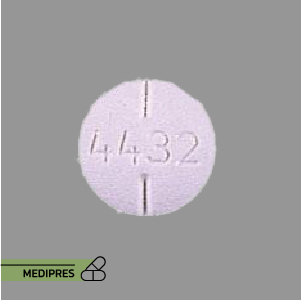
Quinidine
Generic name: Quinidine
Drug class: Group I antiarrhythmics
Dosage forms: Tablet, Extended release
Root of administration: Oral, Injection
Dose: 200, 300, 324 mg
Mechanism of action: Quinidine is an antiarrhythmic medication primarily used in the treatment of certain types of cardiac arrhythmias, including atrial fibrillation and ventricular arrhythmias. Its mechanism of action involves multiple effects on cardiac ion channels.
Drug usage cases: Quinidine is used to help keep the heart beating normally in people with certain heart rhythm disorders, usually after other treatments have failed. Quinidine has not been proven to lower the risks of stroke or death. Quinidine is also used to treat a life-threatening form of malaria.
Drug contra indications: Although quinidine can reduce episodes of irregular heart rhythm, this medicine may increase your risk of death. Your risk may be higher if you have heart problems affecting the tissues or valves of your heart (including heart problems you may have been born with). Ask your doctor about the risks and benefits of using quinidine. You should not use quinidine if you are allergic to it, or if you have:
a serious heart condition called “AV block” (unless you have a pacemaker); myasthenia gravis; or a history of bruising or bleeding after using quinidine or quinine. Tell your doctor if you have ever had:
a heart condition called “sick sinus syndrome”; slow heartbeats; congestive heart failure; a heart valve disorder, a hole in your heart, an enlarged heart, or mitral valve prolapse; long QT syndrome (in you or a family member); Marfan syndrome; heart rhythm problems with past use of quinidine; liver or kidney disease; or an electrolyte imbalance (such as low levels of potassium or magnesium in your blood).
Side effects: Get emergency medical help if you have signs of an allergic reaction: hives; difficult breathing; swelling of your face, lips, tongue, or throat. Quinidine may cause serious side effects. Call your doctor at once if you have:
fast or pounding heartbeats, fluttering in your chest, shortness of breath, and sudden dizziness (like you might pass out); vomiting and diarrhea; confusion, ringing in your ears, hearing loss; severe eye redness, vision problems, increased sensitivity to light; wheezing, chest tightness, trouble breathing; easy bruising, unusual bleeding; pale or yellowed skin, stomach pain (upper right side), dark urine; fever, chills, sore throat, mouth sores, swollen glands; skin itching, flaking, blistering, peeling, or rash on your cheeks or arms that worsens in sunlight; muscle or joint pain; or dry mouth, trouble swallowing.
Warnings: quinidine may increase your risk of death, especially if you have heart problems affecting the tissues or valves of your heart (including heart problems you may have been born with). Ask your doctor about the risks and benefits of using quinidine.
Use during pregnancy or breastfeeding: It is not known whether this medicine will harm an unborn baby. Tell your doctor if you are pregnant or plan to become pregnant. You should not breastfeed while using quinidine.