

Ramelteon
23 June, 2023
Reglan
23 June, 2023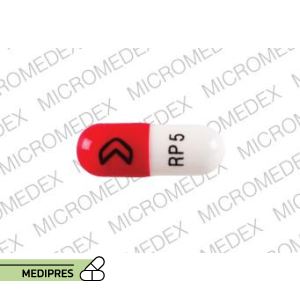
Ramipril
Generic name:
Ramipril
Drug class:
Angiotensin-Converting Enzyme (ACE) Inhibitor
Dosage form:
- Oral capsules
- Oral tablets
- Oral solution (varies by market)
Root of administration:
Oral
Dose:
- Hypertension: Initial dose 2.5 mg once daily; maintenance 2.5–20 mg daily divided in 1–2 doses
- Heart failure post-myocardial infarction: Initial 2.5 mg twice daily, titrated up to 10 mg twice daily
- Risk reduction post-MI or with high cardiovascular risk: 2.5 mg twice daily, titrated to 10 mg twice daily
- Chronic kidney disease with proteinuria: Dosing similar to hypertension, individualized based on renal function
- Dose adjustments required in renal impairment
- Varies by indication; consult label for specific dosing and titration schedules
Mechanism of action:
Ramipril is a prodrug converted to ramiprilat that competitively inhibits angiotensin-converting enzyme (ACE), preventing conversion of angiotensin I to angiotensin II. This leads to vasodilation, decreased aldosterone secretion, reduced sodium and water retention, and decreased blood pressure. It also reduces cardiac remodeling and decreases afterload.
Drug usage cases:
- Hypertension
- Congestive heart failure
- Post-myocardial infarction to improve survival
- Prevention of cardiovascular events in high-risk patients (e.g., diabetes with end-organ damage, coronary artery disease)
- Nephroprotection in diabetic nephropathy and chronic kidney disease with proteinuria
- Left ventricular dysfunction
- Varies by indication; consult label for off-label uses
Drug contra indications:
- Hypersensitivity to ramipril or any ACE inhibitor
- History of angioedema related to previous ACE inhibitor therapy
- Hereditary or idiopathic angioedema
- Pregnancy (second and third trimesters)
- Severe bilateral renal artery stenosis
- Use with aliskiren in patients with diabetes or renal impairment
- Varies by indication; consult label
Side effects:
- Cough (dry and persistent)
- Hyperkalemia
- Hypotension, especially after first dose
- Dizziness, headache
- Fatigue
- Renal impairment or worsening renal function
- Angioedema (rare but potentially life-threatening)
- Rash
- Altered taste (dysgeusia)
- Neutropenia or agranulocytosis (rare)
- Elevated liver enzymes or hepatotoxicity (rare)
- Pancreatitis (rare)
- Cough-induced sleep disturbance
- Varies by patient population; consult label
Warnings:
- Risk of angioedema: discontinue immediately if swelling of face, lips, tongue, or throat occurs
- Monitor potassium levels due to risk of hyperkalemia
- Risk of hypotension and renal impairment, particularly in volume- or salt-depleted patients
- Use caution in patients with renal artery stenosis or renal impairment
- May cause fetal toxicity; discontinue as soon as pregnancy is detected
- Use caution in patients undergoing surgery or anesthesia due to potential hypotension
- May interact with potassium-sparing diuretics, potassium supplements, NSAIDs, lithium, and other antihypertensives
- Periodic monitoring of renal function and electrolytes recommended
- Varies by indication and patient; consult label for detailed warnings
Use during pregnancy or breastfeeding:
Ramipril is contraindicated during the second and third trimesters of pregnancy due to risk of fetal toxicity, including fetal renal dysfunction, oligohydramnios, skull hypoplasia, and death. Use during the first trimester may be associated with increased risk of congenital malformations (e.g., cardiovascular and central nervous system anomalies), so it should be avoided if possible. If pregnancy is detected, discontinue ramipril immediately.
Ramipril and its active metabolite may be excreted in breast milk. Due to potential adverse effects on the nursing infant, breastfeeding is generally not recommended during treatment with ramipril. If use is unavoidable, monitor the infant closely and consider alternative feeding options.