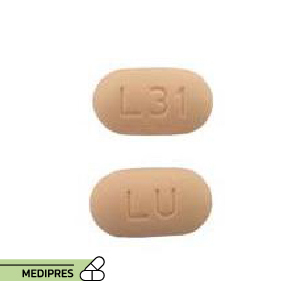

Ranolazine
23 June, 2023
Remeron
23 June, 2023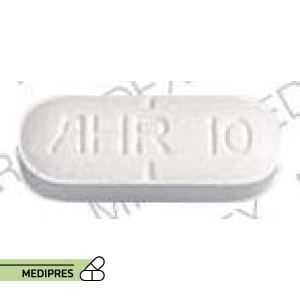
Reglan
Generic name: Metoclopramide
Drug class: Prokinetic agent, Antiemetic
Dosage form: Oral tablets (5 mg, 10 mg), Oral solution, Injectable solution, Nasal spray
Root of administration: Oral, Intravenous, Intramuscular, Nasal
Dose:
- Adults: 5 mg to 10 mg taken 3 to 4 times daily, 30 minutes before meals and at bedtime. Maximum recommended duration of treatment is 12 weeks due to the risk of tardive dyskinesia with prolonged use.
- Children: Not recommended due to increased risk of side effects.
Mechanism of action: Metoclopramide acts as a dopamine antagonist, blocking dopamine receptors in the gastrointestinal tract and the brain. This stimulation enhances the motility of the upper gastrointestinal tract, increases the tone and amplitude of stomach contractions, and relaxes the pyloric sphincter and duodenal bulb, leading to improved gastric emptying and reduced reflux, nausea, and vomiting.
Drug usage cases:
- Treatment of gastroesophageal reflux disease (GERD) in adults who fail to respond to conventional therapy.
- Management of acute and recurrent diabetic gastroparesis in adults.
- Prevention and treatment of nausea and vomiting associated with chemotherapy, surgery, and other medical conditions.
- Facilitation of small bowel intubation during diagnostic procedures.
- Assistance in gastric emptying for certain radiological examinations of the stomach and small intestine.
Drug contraindications:
- Hypersensitivity to metoclopramide or any component of the formulation.
- History of tardive dyskinesia or other movement disorders induced by metoclopramide or similar medications.
- Gastrointestinal obstruction, perforation, or bleeding.
- Pheochromocytoma (a rare adrenal gland tumor).
- Seizure disorders or a history of seizures.
- Concurrent use with other medications that can cause extrapyramidal symptoms.
Side effects:
- Common: Drowsiness, fatigue, dizziness, headache, restlessness, and insomnia.
- Serious: Tardive dyskinesia (involuntary, repetitive movements), neuroleptic malignant syndrome (muscle rigidity, high fever, altered mental status), depression, suicidal thoughts, and extrapyramidal symptoms (e.g., dystonia, parkinsonism).
- Other: Elevated prolactin levels leading to galactorrhea, gynecomastia, and menstrual irregularities.
Warnings:
- Use for longer than 12 weeks is associated with an increased risk of tardive dyskinesia; treatment should be discontinued if symptoms develop.
- Monitor for signs of neuroleptic malignant syndrome; discontinue treatment if symptoms occur.
- Exercise caution in patients with a history of depression or suicidal thoughts.
- May cause drowsiness; avoid driving or operating heavy machinery until effects are known.
- Alcohol may enhance sedative effects; avoid alcohol consumption during treatment.
Use during pregnancy or breastfeeding:
Metoclopramide is classified as a Category C drug during pregnancy, indicating that risk to the fetus cannot be ruled out. It should be used during pregnancy only if the potential benefit justifies the potential risk to the fetus. Caution is advised when administering metoclopramide to breastfeeding mothers, as it is excreted in breast milk and may affect the nursing infant. Consult a healthcare provider before using this medication during pregnancy or lactation.