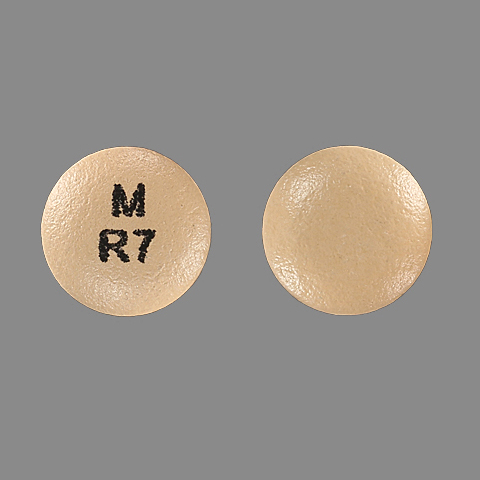

Roxybond
23 June, 2023
Safyral
23 June, 2023
Rufinamide
Generic name: rufinamide
Brand name: Banzel
Dosage form: oral tablet, oral suspension
Drug class: Dibenzazepine anticonvulsants
Route of administration: Oral.
Dose: Lennox-Gastaut Syndrome: Initial dose: 10 mg/kg/day, divided into two doses. Maintenance dose: Up to 45 mg/kg/day, divided into two doses, with a maximum of 3,200 mg/day.
Mechanism of action: Rufinamide modulates the activity of sodium channels, prolonging the inactive state of these channels, which stabilizes the neuronal membrane and reduces the likelihood of seizure occurrence. The precise mechanism by which rufinamide exerts its antiepileptic effect is not fully understood.
Drug usage cases: Adjunctive treatment of seizures associated with Lennox-Gastaut syndrome (LGS) in patients 1 year of age and older.
Drug contraindications: Known hypersensitivity to rufinamide or any component of the formulation. Familial short QT syndrome, as rufinamide can further shorten the QT interval.
Side effects: Common: Dizziness, fatigue, nausea, vomiting, somnolence. Serious: Suicidal thoughts or behavior, multiorgan hypersensitivity reactions, QT interval shortening. Rare: Stevens-Johnson syndrome, toxic epidermal necrolysis, status epilepticus.
Warnings: Monitor for suicidal thoughts or behavior, particularly in the early stages of treatment or when adjusting the dose. Patients with known familial short QT syndrome should avoid rufinamide due to the risk of cardiac complications. Use caution in patients with hepatic impairment or significant cardiac disease. Advise patients not to discontinue rufinamide abruptly, as this can increase the risk of seizure exacerbation.
Use during pregnancy or breastfeeding: Rufinamide should be used during pregnancy only if the potential benefit justifies the potential risk to the fetus. The effects of rufinamide on breastfed infants are unknown; caution is advised if administered to breastfeeding mothers.