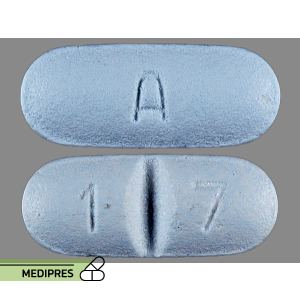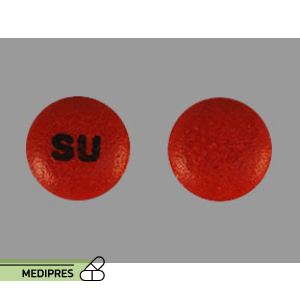

Salsalate
23 June, 2023
Sapropterin
23 June, 2023
SandIMMUNE (Cyclosporine Intravenous)
Generic name: Cyclosporine
Drug class: Immunosuppressant, Calcineurin Inhibitor
Dosage form: Intravenous Solution
Root of administration: Intravenous
Dose:
- Initial dose: 5 to 6 mg/kg/day, administered intravenously 4 to 12 hours prior to transplantation.
- Maintenance dose: Typically 5 to 10 mg/kg/day, adjusted based on therapeutic drug monitoring and clinical response.
Mechanism of action: Cyclosporine inhibits calcineurin, a phosphatase enzyme in T lymphocytes, leading to decreased interleukin-2 production and reduced T-cell activation, thereby suppressing the immune response and preventing organ rejection.
Drug usage cases:
- Prophylaxis of organ rejection in kidney, liver, and heart allogeneic transplants.
- Treatment of chronic rejection in patients previously treated with other immunosuppressive agents.
Drug contraindications:
- Hypersensitivity to cyclosporine or any component of the formulation, including Cremophor® EL (polyoxyethylated castor oil).
- Concurrent use with certain medications such as bosentan, cidofovir, mibefradil, ranolazine, red yeast rice, and St. John’s Wort due to potential interactions.
Side effects:
- Nephrotoxicity: Elevated serum creatinine and blood urea nitrogen (BUN) levels.
- Hepatotoxicity: Elevated liver enzymes, jaundice, and abdominal pain.
- Hypertension: Increased blood pressure requiring management.
- Hyperkalemia: Elevated potassium levels leading to muscle weakness and arrhythmias.
- Infections: Increased susceptibility to bacterial, viral, and fungal infections.
- Neurological effects: Tremors, headaches, seizures, and confusion.
- Gastrointestinal disturbances: Nausea, vomiting, diarrhea, and abdominal discomfort.
- Gingival hyperplasia: Swelling and overgrowth of gum tissue.
- Hypertrichosis: Unusual hair growth, particularly on the face and body.
- Electrolyte imbalances: Hypomagnesemia and hypocholesterolemia.
Warnings:
- Monitor renal function regularly due to potential nephrotoxicity.
- Assess liver function tests periodically to detect hepatotoxicity.
- Blood pressure should be monitored and managed to prevent hypertension-related complications.
- Be vigilant for signs of infection; prophylactic antimicrobials may be considered in high-risk patients.
- Monitor potassium levels to prevent hyperkalemia and associated cardiac risks.
- Be aware of potential drug interactions; adjust dosages accordingly when co-administering with other medications.
- Use with caution in patients with a history of seizures or other neurological disorders.
- Discontinue use if signs of anaphylaxis occur; appropriate emergency measures should be available.
Use during pregnancy or breastfeeding:
Cyclosporine is classified as a Category C drug for pregnancy, indicating that risk to the fetus cannot be ruled out. It should be used during pregnancy only if the potential benefit justifies the potential risk to the fetus. Cyclosporine is excreted in human milk; therefore, a decision should be made whether to discontinue nursing or discontinue the drug, taking into account the importance of the drug to the mother. Consult a healthcare provider for personalized advice.