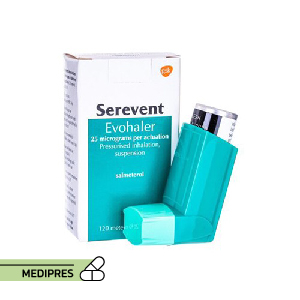

Salmeterol
23 June, 2023
Sertraline
23 June, 2023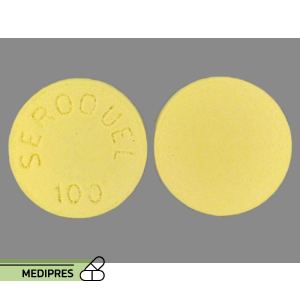
Seroquel
Generic name: Quetiapine
Drug class: Atypical antipsychotics
Dosage form: Tablets (immediate-release and extended-release)
Route of administration: Oral
Dose: The dosage of quetiapine varies based on the condition being treated:
– **Schizophrenia**: Starting dose is typically 25 mg twice daily, with gradual increases to a maintenance dose of 300–800 mg per day, divided into two or three doses.
– **Bipolar Disorder**: For manic episodes, the starting dose is usually 50 mg twice daily, increasing to a maintenance dose of 400–800 mg per day, divided into two or three doses. For depressive episodes, the starting dose is 50 mg once daily, increasing to a maintenance dose of 300 mg per day.
– **Major Depressive Disorder (adjunctive treatment)**: Starting dose is 50 mg once daily, increasing to a maintenance dose of 150 mg per day.
Dosage adjustments may be necessary for elderly patients or those with hepatic impairment. Always follow the prescribing physician’s instructions.
Mechanism of action: Quetiapine is an atypical antipsychotic that modulates neurotransmitter activity in the brain. It acts as an antagonist at serotonin (5-HT2A) and dopamine (D2) receptors, which helps balance mood and perception. Additionally, it has antagonistic effects on alpha-1 adrenergic and histamine H1 receptors, contributing to its sedative properties.
Drug usage cases:
- Schizophrenia
- Bipolar disorder (acute manic and depressive episodes)
- Major depressive disorder (adjunctive treatment)
- Off-label: Generalized anxiety disorder, insomnia, post-traumatic stress disorder, Parkinson’s disease, Tourette syndrome
Drug contraindications:
- Hypersensitivity to quetiapine or any component of the formulation
- Concomitant use with strong CYP3A4 inhibitors (e.g., ketoconazole) without dose adjustment
- Concomitant use with strong CYP3A4 inducers (e.g., rifampin) without dose adjustment
- Concomitant use with other central nervous system depressants without dose adjustment
Side effects:
- Common: Drowsiness, dizziness, dry mouth, constipation, weight gain
- Serious: Neuroleptic malignant syndrome (fever, muscle rigidity, altered mental status), tardive dyskinesia (involuntary movements), metabolic changes (hyperglycemia, dyslipidemia), orthostatic hypotension, seizures, cataracts
- Rare: Agranulocytosis, QT interval prolongation, pancreatitis, priapism
Warnings:
- Increased mortality in elderly patients with dementia-related psychosis
- Risk of suicidal thoughts and behaviors in children, adolescents, and young adults
- Potential for orthostatic hypotension; use caution when rising from a sitting or lying position
- Monitor for signs of metabolic syndrome, including weight gain, hyperglycemia, and dyslipidemia
- Use caution in patients with a history of seizures or those at risk for seizures
- May cause drowsiness; avoid driving or operating heavy machinery until effects are known
- Discontinue if signs of neuroleptic malignant syndrome or tardive dyskinesia develop
Use during pregnancy or breastfeeding:
Pregnancy: Quetiapine is classified as a Category C drug by the FDA, indicating that risk to the fetus cannot be ruled out. Animal studies have shown adverse effects, but there are no adequate and well-controlled studies in pregnant women. Use during pregnancy should be considered only if the potential benefit justifies the potential risk to the fetus.
Breastfeeding: It is not known whether quetiapine is excreted in human milk. Due to the potential for serious adverse reactions in nursing infants, a decision should be made whether to discontinue nursing or discontinue the drug, taking into account the importance of the drug to the mother.