
Simvastatin
23 June, 2023
Soma
23 June, 2023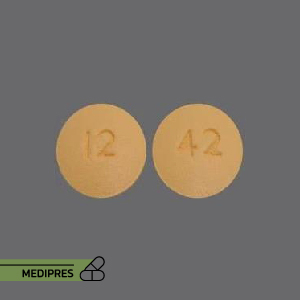
Sitagliptin
Generic name: sitagliptin [ SI-ta-glip-tin ]
Brand name: Januvia
Dosage form: oral tablet (100 mg; 25 mg; 50 mg)
Drug class: Dipeptidyl peptidase 4 inhibitors
Route of Administration: Oral
Dose: 25 mg, 50 mg, 100 mg
Mechanism of Action:
Sitagliptin is an oral antihyperglycemic drug that belongs to the class of dipeptidyl peptidase-4 (DPP-4) inhibitors. It works by inhibiting the DPP-4 enzyme, which increases the levels of incretin hormones. Incretins help to regulate glucose metabolism by increasing insulin secretion and decreasing glucagon production in response to meals. This mechanism helps lower blood glucose levels in patients with type 2 diabetes mellitus.
Drug Usage Cases:
Sitagliptin is used to improve blood sugar control in adults with type 2 diabetes mellitus. It is often used in combination with diet and exercise and may be prescribed alone or with other medications such as metformin, sulfonylureas, or insulin. It is not recommended for the treatment of type 1 diabetes or diabetic ketoacidosis.
Drug Contraindications:
Sitagliptin is contraindicated in patients with a known hypersensitivity to sitagliptin or any of its components. Severe hypersensitivity reactions, such as anaphylaxis, angioedema, and Stevens-Johnson syndrome, have been reported in some cases. It should not be used in patients with a history of pancreatitis without careful consideration. Patients with renal impairment require dose adjustments based on their kidney function.
Side Effects:
Common side effects of sitagliptin may include upper respiratory tract infections, nasopharyngitis, headache, and diarrhea. Serious side effects that require immediate medical attention include:
Signs of pancreatitis (severe and persistent abdominal pain that may radiate to the back, with or without vomiting). Signs of an allergic reaction (rash, hives, itching, difficulty breathing, swelling of the face, lips, tongue, or throat). Severe joint pain. Hypoglycemia (especially when used in combination with insulin or sulfonylureas) – symptoms include shakiness, sweating, confusion, and blurred vision. Acute kidney injury (decreased urine output, swelling in legs, or tiredness)
Warnings:
Sitagliptin may increase the risk of pancreatitis. Patients should be informed about the symptoms of acute pancreatitis and advised to stop the medication if such symptoms occur. It can also cause hypoglycemia, especially when used with insulin or sulfonylureas. Renal function should be assessed before starting sitagliptin and monitored periodically thereafter, as dose adjustment is necessary for patients with renal impairment. Cases of severe and disabling joint pain have been reported; discontinuation of the drug should be considered if this occurs.
Use During Pregnancy or Breastfeeding:
Sitagliptin is categorized as pregnancy category B, meaning that there is no evidence of risk to the fetus based on animal studies, but there are no adequate and well-controlled studies in pregnant women. It should be used during pregnancy only if clearly needed. It is not known if sitagliptin is excreted in human breast milk, so caution should be exercised when administered to breastfeeding mothers. Consult a healthcare provider for more information.