
Sodium Chloride
23 June, 2023
Spironolactone
23 June, 2023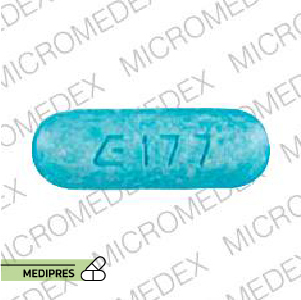
Sotalol
Generic name: Sotalol
Drug class: Group III antiarrhythmics, Non-cardioselective beta blockers
Dosage forms: Intravenous solution, Solution, Tablet,
Root of administration: Oral
Dose: Intravenous solution: 15 mg/mL, Solution: 5 mg/ml, Tablet: 80, 120, 160, 240 mg, AF 80, 120, 160 mg.
Mechanism of action: Sotalol is a beta-blocker with antiarrhythmic properties that affects the heart and circulation within the atrium and ventricles (the upper and lower chambers of the heart that allow blood to flow into and out of the heart).
Drug usage cases: Sotalol may be used to help keep the heart beating normally in people with certain documented heart rhythm disorders, such as atrial fibrillation, atrial flutter, ventricular tachycardia, and ventricular fibrillation. Sotalol may also be used for other purposes.
Drug contra indications: You should not use sotalol if you are allergic to it, or any of the inactive ingredients in the tablets, or if you have:
a serious heart condition such as “sick sinus syndrome” or “AV block” (unless you have a pacemaker)
long QT syndrome (in you or a family member), severe heart failure, slow heartbeats that have caused you to faint, asthma or other breathing disorder, very low levels of potassium in your blood or, (if you take sotalol for atrial fibrillation or atrial flutter) severe kidney disease; Do not give sotalol to a child without medical advice. Tell your doctor if you have ever had:
kidney disease (or if you are on dialysis), an electrolyte imbalance (such as low levels of potassium or magnesium in your blood), congestive heart failure, coronary artery disease (hardened arteries), breathing problems such as bronchitis or emphysema, a thyroid disorder, diabetes (using sotalol can make it harder for you to tell when you have low blood sugar), a severe allergic reaction. Tell your doctor about all the medications you take. Any with antiarrhythmic properties may need to be discontinued before starting sotalol.
Side effects: Get emergency medical help if you have signs of an allergic reaction such as hives; difficulty breathing; or swelling of your face, lips, tongue, or throat. Sotalol may cause serious side effects. Call your doctor at once if you have:
chest pain, fast or pounding heartbeats, fluttering in your chest, sudden dizziness (like you might pass out), slow heartbeats (especially if you feel light-headed), swelling, rapid weight gain or, feeling short of breath.
Warnings: You should not use sotalol if you have asthma, low potassium, or a serious heart condition such as severe heart failure, long QT syndrome, slow heartbeats that have caused you to faint, “sick sinus syndrome” or “AV block” (unless you have a pacemaker). Monitoring in a facility that can provide cardiac resuscitation, continuous electrocardiographic monitoring, and calculations of creatinine clearance for a minimum of 3 days is recommended for patients initiating or reinitiating sotalol to minimize the risk of induced arrhythmia. May cause life-threatening ventricular tachycardia associated with QT interval prolongation. IV sotalol treatment should not be initiated if the baseline QTc is longer than 450ms. Reduce the dosage or discontinue if the interval extends to 500 ms or greater. Do not substitute one brand of sotalol for another without your doctor’s advice because of potentially significant differences in labeling, dosing and administration, and safety information.
Use during pregnancy or breastfeeding: Tell your doctor if you are pregnant. Sotalol can cross the placenta and affect the unborn baby, causing problems such as growth restriction, transient slow heartbeat in the fetus, laboratory changes, QT prolongation, uterine contractions, and other adverse effects. Talk with your doctor about using sotalol before you get pregnant. If you inadvertently become pregnant while taking sotalol, or are currently pregnant, discuss the risks vs benefits of using sotalol with your doctor.You should not breastfeed while using sotalol.