
Sotalol
23 June, 2023
Stribild
23 June, 2023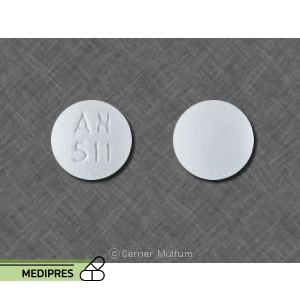
Spironolactone
Generic name: Spironolactone
Drug class: Potassium-sparing diuretic; Aldosterone antagonist; Steroidal antiandrogen
Dosage form: Oral tablets
Root of administration: Oral
Dose: For heart failure with reduced ejection fraction: 12.5 to 25 mg once daily; for hypertension: 25 to 100 mg once daily; for edema associated with cirrhosis or nephrotic syndrome: 25 to 200 mg once daily; for primary hyperaldosteronism: 100 to 400 mg daily in divided doses
Mechanism of action: Spironolactone acts as an aldosterone antagonist by binding to mineralocorticoid receptors, inhibiting aldosterone’s effects on sodium and water retention, leading to increased excretion of sodium and water while conserving potassium. Additionally, it exhibits antiandrogenic properties by blocking androgen receptors, reducing the synthesis of androgen hormones such as testosterone.
Drug usage cases:
- Heart failure with reduced ejection fraction
- Hypertension
- Edema associated with cirrhosis
- Edema associated with nephrotic syndrome
- Primary hyperaldosteronism (Conn’s syndrome)
- Acne associated with polycystic ovary syndrome (PCOS)
- Hirsutism (excessive hair growth in women)
- Gender-affirming hormone therapy in transgender women
Drug contra indications:
- Hyperkalemia (elevated potassium levels)
- Severe renal impairment (e.g., anuria, acute renal insufficiency)
- Hypersensitivity to spironolactone or any component of the formulation
- Concurrent use with eplerenone
Side effects:
- Hyperkalemia (elevated potassium levels)
- Gynecomastia (enlargement of breast tissue in males)
- Menstrual irregularities (e.g., amenorrhea, metrorrhagia)
- Gastrointestinal disturbances (e.g., nausea, vomiting, diarrhea)
- Dizziness
- Headache
- Skin rashes
- Fatigue
- Dehydration
- Hyponatremia (low sodium levels)
- Hypotension (low blood pressure)
- Ataxia (muscle incoordination)
- Dry skin
Warnings:
- Monitor potassium levels regularly to prevent hyperkalemia
- Use caution in patients with renal impairment; dosage adjustments may be necessary
- Avoid concurrent use with potassium supplements or potassium-containing salt substitutes
- Discontinue use if signs of hyperkalemia (e.g., muscle weakness, fatigue, arrhythmias) occur
- Use with caution in patients with hepatic impairment; monitor liver function tests
- May cause dizziness; advise patients to avoid activities requiring mental alertness until effects are known
- Use with caution in patients with a history of peptic ulcer disease due to potential for gastric irritation
- May cause photosensitivity; advise patients to use sun protection
- Use with caution in elderly patients due to increased risk of hyperkalemia and renal impairment
Use during pregnancy or breastfeeding: Spironolactone is classified as a pregnancy category C medication, indicating that risk to the fetus cannot be ruled out. It should be used during pregnancy only if the potential benefit justifies the potential risk to the fetus. Spironolactone is excreted in breast milk; caution should be exercised when administering to nursing mothers, and a decision should be made whether to discontinue nursing or the drug, considering the importance of the drug to the mother.