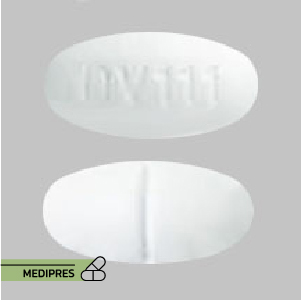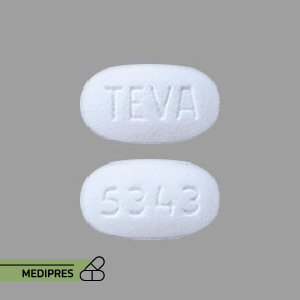

Stribild
23 June, 2023
Sulfamethoxazole and trimethoprim
23 June, 2023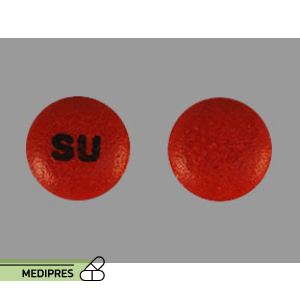
Sudafed
Generic name:
Pseudoephedrine
Drug class:
Sympathomimetic decongestant
Dosage form:
- Tablets
- Extended-release tablets
- Capsules
- Liquid syrup
- Combination products (e.g., with antihistamines, analgesics)
Root of administration:
Oral
Dose:
- Adults and children 12 years and older: 60 mg every 4 to 6 hours; not to exceed 240 mg per day
- Extended-release formulations: 120 mg every 12 hours or 240 mg once daily (depending on product)
- Children 6 to 11 years: 30 mg every 4 to 6 hours; not to exceed 120 mg per day
- Dosing varies by formulation and patient age; follow specific product labeling
Mechanism of action:
Pseudoephedrine is a selective α-adrenergic receptor agonist that causes vasoconstriction in nasal mucosa blood vessels, leading to decreased nasal congestion by reducing swelling and edema.
Drug usage cases:
- Relief of nasal and sinus congestion due to common cold
- Allergic rhinitis
- Sinusitis
- Relief of eustachian tube congestion and pressure
- Occasional off-label use for relief of nasal congestion related to hay fever and upper respiratory tract infections
Drug contra indications:
- Known hypersensitivity to pseudoephedrine or any component of the formulation
- Concurrent use with monoamine oxidase inhibitors (MAOIs) or within 14 days of stopping MAOIs
- Severe hypertension or severe coronary artery disease
- Severe liver or kidney disease (varies by formulation)
- Patients with urinary retention or prostatic hypertrophy (use with caution)
- Glaucoma (narrow angle) — use with caution
Side effects:
- Nervousness, restlessness, anxiety
- Dizziness or headache
- Insomnia or difficulty sleeping
- Tachycardia or palpitations
- Increased blood pressure
- Dry mouth
- Nausea or gastrointestinal discomfort
- Urinary retention
- Rare: tremors, hallucinations, seizures (primarily with overdose or misuse)
- Rare allergic reactions: rash, itching, swelling
Warnings:
- Use with caution in patients with hypertension, cardiovascular disease, hyperthyroidism, diabetes, or prostatic hypertrophy
- Potential to increase blood pressure and heart rate; monitor patients accordingly
- May cause CNS stimulation; avoid use prior to bedtime to reduce insomnia risk
- Risk of misuse or abuse due to stimulant-like effects; use as directed
- Do not use in combination with other sympathomimetic agents or stimulants
- Use caution in elderly due to increased sensitivity to side effects
- Discontinue and seek medical attention if signs of allergic reaction occur
- Overuse can cause rebound congestion (rhinitis medicamentosa) if used as nasal spray formulations (not typical with oral)
Use during pregnancy or breastfeeding:
Pseudoephedrine is classified as pregnancy category C. Animal reproduction studies have shown adverse effects on the fetus, but there are no adequate well-controlled studies in pregnant women. The drug should be used during pregnancy only if the potential benefit justifies the potential risk to the fetus.
Use in the first trimester is generally discouraged due to concerns about risk of congenital defects reported in some studies, though evidence is inconclusive.
During breastfeeding, pseudoephedrine is excreted into breast milk in small amounts. It may cause irritability, insomnia, or decreased milk production in the nursing infant or mother. Use with caution and consult healthcare provider.