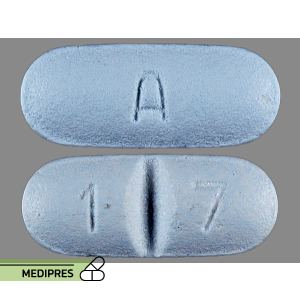

SUMAtriptan Succinate Syringe injection
23 June, 2023
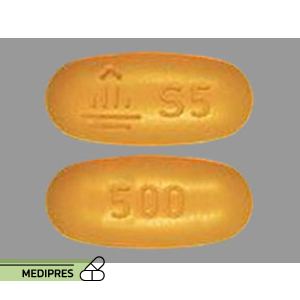
Sunlenca
23 June, 2023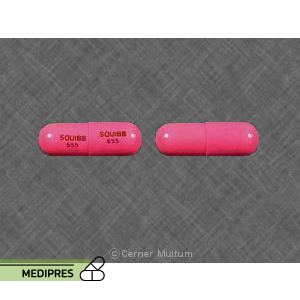
Sumycin Tablets
Generic name: Tetracycline
Drug class: Tetracyclines
Dosage form: Tablet, film-coated
Root of administration: Oral
Dose:
- Adults: 500 mg twice daily or 250 mg four times daily; higher doses may be required for severe infections.
- Pediatric patients above 8 years: 25 mg/kg to 50 mg/kg body weight per day, divided into four equal doses.
Mechanism of action: Tetracycline inhibits bacterial protein synthesis by binding to the bacterial ribosome, preventing the addition of amino acids to the growing peptide chain, thereby inhibiting bacterial growth.
Drug usage cases:
- Treatment of various bacterial infections, including respiratory tract infections, urinary tract infections, and sexually transmitted infections.
- Management of severe acne.
- Prophylaxis and treatment of anthrax and other infections caused by susceptible organisms.
Drug contraindications:
- Hypersensitivity to tetracycline or any component of the formulation.
- Children under 8 years of age due to the risk of permanent tooth discoloration.
- Pregnancy, especially during the second and third trimesters, due to potential harm to the developing fetus.
- Breastfeeding mothers, as tetracycline can be excreted in breast milk and may affect bone and tooth development in nursing infants.
Side effects:
- Common: Nausea, vomiting, diarrhea, abdominal discomfort, loss of appetite, and mild skin rashes.
- Serious: Photosensitivity reactions (exaggerated sunburn), esophageal irritation, and discoloration of developing teeth in children.
- Rare: Hepatotoxicity, blood dyscrasias, and intracranial hypertension.
Warnings:
- Use caution in patients with renal impairment; dosage adjustments may be necessary.
- Avoid concurrent use with antacids containing aluminum, calcium, or magnesium, and iron supplements, as they can impair absorption.
- May reduce the effectiveness of oral contraceptives; consider alternative non-hormonal contraceptive methods.
- Prolonged use may lead to overgrowth of non-susceptible organisms, including fungi; monitor for superinfection.
- Discontinue therapy if signs of a new infection occur.
Use during pregnancy or breastfeeding:
Use of tetracycline during pregnancy, especially in the second and third trimesters, can adversely affect fetal development, leading to permanent tooth discoloration and potential inhibition of bone growth. Therefore, tetracycline is contraindicated during pregnancy. Additionally, tetracycline is excreted into breast milk and may affect bone and tooth development in nursing infants. Consequently, breastfeeding mothers should avoid using tetracycline.