
SUMAtriptan Succinate Syringe injection
23 June, 2023
Sunlenca
23 June, 2023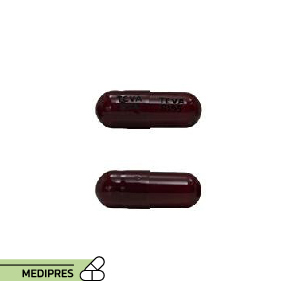
Sunitinib
Generic name: sunitinib [ soo-NIT-in-ib ]
Brand name: Sutent
Dosage form: oral capsule (12.5 mg; 25 mg; 37.5 mg; 50 mg)
Drug classes: Multikinase inhibitors, VEGF/VEGFR inhibitors
Route of Administration: Oral
Dose: 12.5 mg, 25 mg, 37.5 mg, 50 mg
Mechanism of Action:
Sunitinib is a tyrosine kinase inhibitor (TKI) that works by inhibiting multiple receptor tyrosine kinases (RTKs), including vascular endothelial growth factor receptors (VEGFRs) and platelet-derived growth factor receptors (PDGFRs). By blocking these receptors, sunitinib interferes with tumor growth, angiogenesis (formation of new blood vessels), and metastasis. This mechanism helps in reducing the blood supply to the tumor and inhibits its growth and proliferation.
Drug Usage Cases:
Sunitinib is used for the treatment of certain types of cancer, including advanced renal cell carcinoma (RCC), gastrointestinal stromal tumors (GIST) after disease progression on or intolerance to imatinib, and pancreatic neuroendocrine tumors (pNET) in patients with unresectable, locally advanced, or metastatic disease. It is also used as an adjuvant treatment for patients at high risk of recurrent renal cell carcinoma following nephrectomy.
Drug Contraindications:
Sunitinib is contraindicated in patients with a known hypersensitivity to sunitinib or any of its components. It should be used with caution in patients with preexisting cardiovascular conditions, including congestive heart failure, hypertension, QT prolongation, or arrhythmias. Use should be avoided in patients with severe hepatic impairment. Caution is required for patients with a history of thyroid dysfunction, bleeding disorders, or those at risk of developing gastrointestinal perforation or fistulas.
Side Effects:
Common side effects of sunitinib may include fatigue, diarrhea, nausea, vomiting, decreased appetite, oral inflammation, hand-foot syndrome (redness, pain, swelling, or blisters on the palms of the hands or soles of the feet), hypertension, and altered taste. Serious side effects that require immediate medical attention include:
Signs of heart problems (chest pain, shortness of breath, swelling in your legs, rapid weight gain). Signs of liver problems (yellowing of the skin or eyes, dark urine, severe nausea or vomiting, loss of appetite). Severe bleeding (bloody or tarry stools, coughing up blood, unusual bleeding or bruising). Signs of gastrointestinal perforation (severe abdominal pain, fever, constipation, vomiting). Allergic reactions (rash, itching, swelling of the face, lips, tongue, or throat, difficulty breathing). Severe hypertension (severe headache, blurred vision, chest pain, anxiety, confusion). QT prolongation (irregular heartbeat, dizziness, fainting)
Warnings:
Sunitinib has been associated with severe and sometimes fatal hepatotoxicity. Liver function tests should be monitored before starting treatment and periodically thereafter. Sunitinib can cause serious cardiovascular events, including heart failure, myocardial infarction, and arrhythmias. Blood pressure should be regularly monitored, and hypertension should be managed as needed. QT prolongation has been observed; hence, electrocardiograms and electrolytes should be monitored in patients with a history of QT prolongation. Sunitinib may increase the risk of bleeding, gastrointestinal perforation, and fistulas.
Use During Pregnancy or Breastfeeding:
Sunitinib is categorized as pregnancy category D, meaning there is positive evidence of human fetal risk based on adverse reaction data from studies in humans, but the potential benefits from use in pregnant women may be acceptable despite the risk. Women of childbearing potential should be advised to use effective contraception during treatment and for at least 4 weeks after the last dose. It is not known if sunitinib is excreted in human breast milk; breastfeeding is not recommended during treatment with sunitinib and for at least 4 weeks after the final dose.