
Thiothixene
23 June, 2023
Tigan Injection
23 June, 2023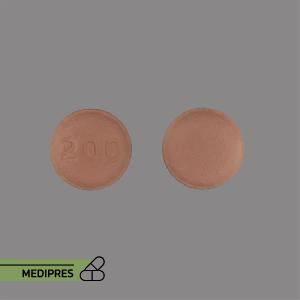
Tiagabine
Generic name: Tiagabine
Drug class: Gamma-aminobutyric acid (GABA) reuptake inhibitors
Dosage form: Oral tablets (2 mg, 4 mg, 12 mg, 16 mg, 20 mg)
Route of administration: Oral
Dose:
- Adults and adolescents (12 years and older): Initial dose of 4 mg once daily, increased weekly by 4–8 mg as needed, up to a maximum of 32 mg/day, divided into two to four doses.
- Children under 12 years: Safety and efficacy not established; not recommended.
Mechanism of action: Tiagabine selectively inhibits the GABA transporter (GAT-1), leading to increased extracellular GABA concentrations in the brain, thereby enhancing inhibitory neurotransmission and reducing neuronal excitability.
Drug usage cases:
- Adjunctive therapy for partial seizures in adults and adolescents aged 12 years and older.
- Off-label use for anxiety disorders, panic disorder, and neuropathic pain, including fibromyalgia.
Drug contraindications:
- Hypersensitivity to tiagabine or any component of the formulation.
- History of generalized absence seizures, as tiagabine may exacerbate these types of seizures.
- Seizures in patients without epilepsy; tiagabine is not recommended for use in individuals without a history of epilepsy.
Side effects:
- Dizziness
- Drowsiness
- Fatigue
- Nausea
- Difficulty concentrating
- Tremor
- Headache
- Depressed mood
- Visual disturbances
- Skin rash
- Gastrointestinal discomfort (e.g., abdominal pain, diarrhea)
- Muscle aches
- Burning, numbness, or tingling sensations
- Blue or purple spots on skin
Warnings:
- Monitor for new or worsening seizures; abrupt discontinuation may increase seizure frequency.
- Use caution in patients with a history of depression, mood disorders, or suicidal thoughts; monitor for mood changes.
- Assess liver function before initiating therapy; dose adjustments may be necessary in hepatic impairment.
- Be aware of potential interactions with other central nervous system depressants, which may enhance sedative effects.
- Tiagabine may impair cognitive and motor skills; advise patients to avoid activities requiring full alertness until they know how the drug affects them.
Use during pregnancy or breastfeeding:
Tiagabine is classified as a Category C drug for pregnancy, indicating that risk to the fetus cannot be ruled out. It should be used during pregnancy only if the potential benefit justifies the potential risk to the fetus. Tiagabine is excreted in breast milk; caution is advised when administering to nursing mothers, and a decision should be made whether to discontinue nursing or the drug, considering the importance of the drug to the mother.