
TriNessa
23 June, 2023
Truxima (Rituximab-abbs Intravenous)
23 June, 2023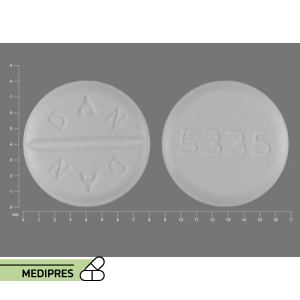
Tritane
Generic name: Trihexyphenidyl
Drug class: Anticholinergic antiparkinson agents
Dosage form: Tablet, Elixir
Root of administration: Oral
Dose: 1–5 mg orally 3–4 times daily; dosage may be adjusted based on individual response and tolerability
Mechanism of action: Trihexyphenidyl works by relaxing muscles and nerve impulses that control the function of muscles, thereby improving muscle control and reducing stiffness in conditions like Parkinson’s disease
Drug usage cases:
- Treatment of Parkinson’s disease symptoms
- Control of extrapyramidal symptoms (e.g., tremor, slurred speech) caused by certain medications
Drug contraindications:
- Hypersensitivity to trihexyphenidyl or any of its components
- Glaucoma
- Obstructive gastrointestinal diseases
- Myasthenia gravis
- Urinary tract obstruction
Side effects:
- Dry mouth
- Blurred vision
- Constipation
- Urinary retention
- Confusion
- Memory impairment
- Hallucinations
- Palpitations
- Elevated heart rate
- Heat intolerance
Warnings:
- Use with caution in elderly patients due to increased sensitivity to anticholinergic effects
- Monitor for signs of anticholinergic toxicity, especially in patients with impaired renal function
- Discontinue use if signs of acute angle-closure glaucoma develop
- Use cautiously in patients with a history of cardiovascular disease
- May impair mental and/or physical abilities required for the performance of hazardous tasks
Use during pregnancy or breastfeeding:
Trihexyphenidyl is classified as a Category C drug for pregnancy, indicating that risk to the fetus cannot be ruled out. It should be used during pregnancy only if the potential benefit justifies the potential risk to the fetus. The safety of trihexyphenidyl during breastfeeding has not been established; therefore, it should be used with caution in nursing mothers, and a decision should be made whether to discontinue nursing or the drug, considering the importance of the drug to the mother.