
Virt-PN DHA Softgels
23 June, 2023
Vitamin B12 Injection
23 June, 2023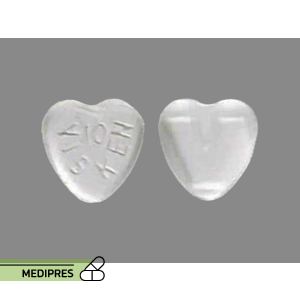
Visken
Generic name: pindolol
Drug class: Non-cardioselective beta blockers
Dosage form: Tablets (5 mg, 10 mg, 15 mg)
Root of administration: Oral
Dose: Typically 5 mg to 10 mg taken twice daily; dosage may vary based on individual patient needs and response
Mechanism of action: Pindolol is a non-selective beta-adrenergic antagonist that reduces heart rate and myocardial contractility, leading to decreased cardiac output and blood pressure. It also possesses intrinsic sympathomimetic activity, which may reduce the risk of bradycardia compared to other beta blockers.
Drug usage cases:
- Hypertension (high blood pressure)
- Angina (heart-related chest pain)
- Arrhythmia (irregular heartbeats)
- Heart failure
- Post-myocardial infarction (heart attack) management
- Anxiety disorders
- Essential tremor
- Glaucoma
- Migraine prophylaxis
Drug contraindications:
- Asthma
- Second or third-degree atrioventricular (AV) block
- Uncontrolled heart failure
- Severe bradycardia (slow heart rate)
- Cardiogenic shock
- Hypersensitivity to pindolol
Side effects:
- Dizziness or light-headedness, especially upon standing
- Fatigue or drowsiness
- Headache
- Gastrointestinal disturbances (nausea, vomiting, diarrhea, abdominal discomfort)
- Sleep disturbances (insomnia, vivid dreams)
- Bradycardia (slow heart rate)
- Hypotension (low blood pressure)
- Cold extremities
- Depression or mood changes
- Sexual dysfunction
- Rash or other allergic reactions
Warnings:
- Monitor blood pressure and heart rate regularly during treatment
- Abrupt discontinuation may precipitate withdrawal symptoms; taper dosage gradually under medical supervision
- Use with caution in patients with diabetes, as beta blockers may mask hypoglycemic symptoms
- Exercise caution in patients with thyroid disorders; beta blockers may mask signs of hyperthyroidism
- Not recommended for use in children under 18 years old
- May impair the ability to perform tasks requiring alertness; exercise caution when driving or operating machinery
- Use with caution in patients with a history of depression
- Monitor for signs of heart failure exacerbation
- May interact with other medications; consult healthcare provider before starting new medications
Use during pregnancy or breastfeeding:
Pindolol is classified as a Category B drug for pregnancy, indicating that there is no proven risk in humans. However, it should only be used during pregnancy if the potential benefit justifies the potential risk to the fetus. Pindolol passes into breast milk and may harm a nursing infant; therefore, breastfeeding is not recommended during treatment with this medication. Consult a healthcare provider for personalized advice regarding the use of pindolol during pregnancy and lactation.