
Vitamin D
23 June, 2023
Vortioxetine
23 June, 2023
Vitamin D3
Generic name: Cholecalciferol (vitamin D3)
Drug class: Vitamins
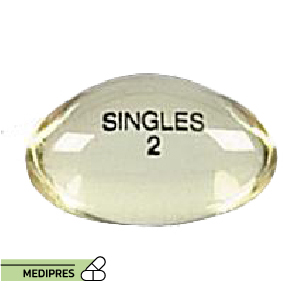
Dosage forms: Capsule, Tablet, Softgel, Liquid Drop, Chewable Tablet
Root of administration: Oral
Dose: 1000, 2000, 5000, 10000, 50000 IU (50, 125, 250 mcg)
Mechanism of action: Cholecalciferol is vitamin D3. Vitamin D helps your body absorb calcium.
Drug usage cases: Cholecalciferol is used as a dietary supplement in people who do not get enough vitamin D in their diets to maintain adequate health.
Drug contra indications: You should not use cholecalciferol if you have had an allergic reaction to vitamin D, or if you have:
high levels of vitamin D in your body (hypervitaminosis D); high levels of calcium in your blood (hypercalcemia); or any condition that makes it hard for your body to absorb nutrients from food (malabsorption). Tell your doctor if you have ever had:
heart disease; kidney disease; or an electrolyte imbalance. Certain forms of cholecalciferol may contain ingredients you should know about, such as peanut or soybean oil, sugar, aspartame (phenylalanine), or certain food dyes. Ask a doctor before using cholecalciferol if you have allergies, diabetes, or phenylketonuria (PKU). Do not give cholecalciferol to a child without medical advice. Your child’s dose will depend on age, weight, diet, and other factors.
Side effects: Get emergency medical help if you have signs of an allergic reaction: hives; difficult breathing; swelling of your face, lips, tongue, or throat. Stop taking cholecalciferol and call your doctor at once if you have:
chest pain, feeling short of breath; growth problems (in a child taking cholecalciferol); or early signs of vitamin D overdose–weakness, metallic taste in your mouth, weight loss, muscle or bone pain, constipation, nausea, and vomiting. Less serious side effects may be more likely, and you may have none at all.
Warnings: You should not take cholecalciferol if you have had an allergic reaction to vitamin D, or if you have high levels of calcium or vitamin D in your body, or any condition that makes it hard for your body to absorb nutrients from food (malabsorption).
Use during pregnancy or breastfeeding: Too much vitamin D could harm an unborn baby or a nursing baby. Ask a doctor before using cholecalciferol if you are pregnant or breastfeeding. Your dose needs may be different during pregnancy or while you are nursing.