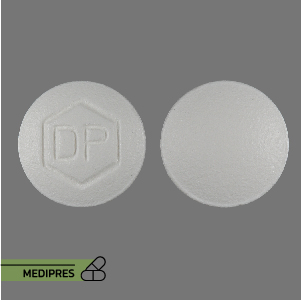

Xulane
23 June, 2023
Yervoy
23 June, 2023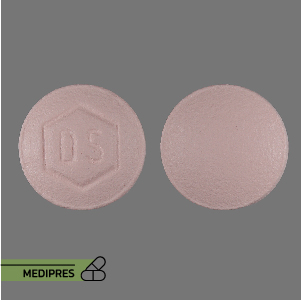
Yaz
Generic name: Drospirenone and ethinyl estradiol
Drug class: Contraceptives
Dosage forms: Tablet
Root of administration: Oral
Dose: 3 mg of drospirenone and 0.02 mg of ethinyl estradiol.
Mechanism of action: Yaz, a combination oral contraceptive pill, works through a combination of mechanisms to prevent pregnancy.
Drug usage cases: Yaz is used as contraception to prevent pregnancy. It is also used to treat moderate acne in women who are at least 14 years old and have started having menstrual periods, and who wish to use birth control pills. Yaz is also used to treat the symptoms of premenstrual dysphoric disorder (PMDD), such as anxiety, depression, irritability, trouble concentrating, lack of energy, sleep or appetite changes, breast tenderness, joint or muscle pain, headache, and weight gain.
Drug contra indications: Taking Yaz can increase your risk of blood clots, stroke, or heart attack. You are even more at risk if you have high blood pressure, diabetes, high cholesterol, or if you are overweight. Your risk of stroke or blood clot is highest during your first year of taking birth control pills. Your risk is also high when you restart birth control pills after not taking them for 4 weeks or longer. Smoking can greatly increase your risk of blood clots, stroke, or heart attack. Your risk increases the older you are and the more you smoke. You should not take Yaz if you smoke and are over 35 years old. You should not take Yaz if you have:
a history of a blood clot; an increased risk of having blood clots due to a heart problem or a hereditary blood disorder; heart disease (coronary artery disease, history of heart attack, stroke, or blood clot); migraine headaches associated with aura, numbness, weakness, or vision changes; untreated or uncontrolled high blood pressure; circulation problems (especially if caused by diabetes); very high cholesterol or triglycerides (fat in your blood); current or previous pancreatitis caused by high triglycerides; severe liver disease, liver cancer, or benign liver tumors; a history of jaundice (yellowing of the eyes or skin) caused by pregnancy or birth control pills; severe kidney disease or kidney failure; a history of hormone-related cancer, or cancer of the breast, uterus/cervix, or vagina; unusual vaginal bleeding that has not been checked by a doctor; or In addition, you should not take Yaz if you are having (or have recently had) major surgery that requires you to be on bedrest. Do not take Yaz if you smoke and are over 35. You should also not take Yaz if you take any hepatitis C medication containing ombitasvir, paritaprevir, ritonavir, or dasabuvir. To make sure Yaz is safe for you, tell your doctor if you have ever had:
heart problems, high blood pressure, or if you are prone to having blood clots; high levels of potassium in your blood; high cholesterol or triglycerides; depression; liver or kidney disease; thyroid disease, diabetes, gallbladder disease; migraine headaches; lupus; cancer; or inflammatory bowel disease (such as Crohn’s or ulcerative colitis).
Side effects: Get emergency medical help if you have signs of an allergic reaction to Yaz: hives; difficult breathing; swelling of your face, lips, tongue, or throat. Stop using Yaz and call your doctor at once if you have:
sudden numbness or weakness (especially on one side of the body), sudden severe headache, slurred speech, problems with vision or balance; pain, warmth or swelling in one or both legs; shortness of breath, rapid breathing, and/or sudden coughing; coughing up blood; sudden vision loss or blurred vision; chest pain or pressure, pain spreading to your jaw or shoulder, nausea, sweating; symptoms of liver problems – loss of appetite, upper stomach pain, tiredness, dark urine, clay-colored stools, jaundice (yellowing of the skin or eyes); signs of increased blood pressure – severe headache, blurred vision, pounding in your neck or ears; swelling in your hands, ankles, or feet; a change in the pattern or severity of migraine headaches; or symptoms of depression – sleep problems, weakness, tired feeling, mood changes.
Warnings: Taking Yaz can increase your risk of blood clots, stroke, or heart attack. Many medical conditions can increase your risk of blood clot, stroke, or heart attack while taking Yaz. Tell your doctor about any and all medical problems, hospitalizations, surgeries, and medications before taking Yaz. You are even more at risk if you have high blood pressure, diabetes, high cholesterol, or if you are overweight. Your risk of stroke or blood clot is highest during your first year of taking birth control pills. Your risk is also high when you restart birth control pills after not taking them for 4 weeks or longer. If you are immobile for any reason (after a surgery or during long travel) you may also be at increased risk. Smoking can greatly increase your risk of blood clots, stroke, or heart attack. You should not take Yaz if you smoke and are over 35 years old. The different brand names (Beyaz, Gianvi, Loryna, Nikki, Ocella, Rajani, Safyral, Syeda, Vestura, Yasmin, Yaz, Yaela, and Zarah) do not have equal amounts of estrogen in them, but vary from pill to pill. They are not interchangeable. If you are taking Yaz, you should not switch to another brand without speaking to your doctor.
Use during pregnancy or breastfeeding: Do not use Yaz if you are pregnant or if you recently had a baby. Stop using Yaz and tell your doctor right away if you become pregnant, or if you miss 2 menstrual periods in a row. If you have recently had a baby, wait at least 4 weeks before taking this medicine. The hormones in Yaz can pass into breast milk and may harm a nursing baby. Yaz may also slow breast milk production. Do not use if you are breast feeding.