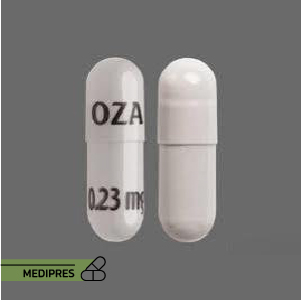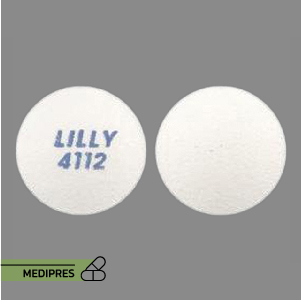

Zipsor
23 June, 2023
Zofran injection
23 June, 2023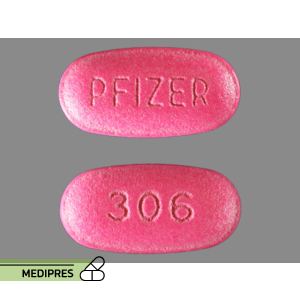
Zithromax (Azithromycin Oral)
Generic name: Azithromycin
Drug class: Macrolide antibiotic
Dosage form: Tablets (250 mg, 500 mg), oral suspension (100 mg/5 mL, 200 mg/5 mL), extended-release oral suspension (2 g)
Route of administration: Oral
Dose:
- Adults:
- Acute bacterial exacerbations of chronic bronchitis: 500 mg once daily for 3 days or 500 mg on Day 1, followed by 250 mg once daily on Days 2–5
- Acute bacterial sinusitis: 500 mg once daily for 3 days
- Uncomplicated skin and skin structure infections: 500 mg once daily for 3 days
- Urethritis and cervicitis: 1 g as a single dose
- Genital ulcer disease (chancroid): 1 g as a single dose
- Community-acquired pneumonia: 500 mg on Day 1, followed by 250 mg once daily on Days 2–5
- Pharyngitis/tonsillitis: 500 mg on Day 1, followed by 250 mg once daily on Days 2–5
- Pediatric patients (6 months and older):
- Acute otitis media: 30 mg/kg as a single dose or 10 mg/kg once daily for 3 days or 10 mg/kg on Day 1, followed by 5 mg/kg once daily on Days 2–5
- Acute bacterial sinusitis: 10 mg/kg once daily for 3 days
- Community-acquired pneumonia: 10 mg/kg on Day 1, followed by 5 mg/kg once daily on Days 2–5
- Pharyngitis/tonsillitis: 12 mg/kg once daily for 5 days
Mechanism of action: Azithromycin inhibits bacterial protein synthesis by binding to the 50S ribosomal subunit, thereby preventing bacterial growth.
Drug usage cases:
- Acute bacterial exacerbations of chronic bronchitis
- Acute bacterial sinusitis
- Uncomplicated skin and skin structure infections
- Urethritis and cervicitis
- Genital ulcer disease (chancroid)
- Community-acquired pneumonia
- Pharyngitis/tonsillitis
- Acute otitis media in pediatric patients
Drug contraindications:
- Hypersensitivity to azithromycin, erythromycin, or any other macrolide or ketolide antibiotic
- History of cholestatic jaundice or hepatic dysfunction associated with prior use of azithromycin
Side effects:
- Nausea
- Vomiting
- Diarrhea
- Abdominal pain
- Headache
- Dizziness
- Rash
- Elevated liver enzymes
- QT interval prolongation
- Clostridioides difficile-associated diarrhea
Warnings:
- Serious allergic reactions, including anaphylaxis, may occur; discontinue use if such reactions develop
- Hepatotoxicity, including severe and sometimes fatal liver injury, has been reported; monitor liver function tests during therapy
- QT interval prolongation may lead to life-threatening arrhythmias; use caution in patients with known QT prolongation or other risk factors
- Clostridioides difficile-associated diarrhea may occur; consider this diagnosis in patients presenting with diarrhea during or after treatment
- Use with caution in patients with a history of arrhythmias or electrolyte disturbances
- May interact with other medications; review patient’s current medications for potential interactions
Use during pregnancy or breastfeeding:
Pregnancy: Azithromycin is classified as a Category B drug for pregnancy. Animal studies have not demonstrated a risk to the fetus, but there are no adequate and well-controlled studies in pregnant women. Azithromycin should be used during pregnancy only if the potential benefit justifies the potential risk to the fetus.
Breastfeeding: Azithromycin is excreted in human milk. While the amount is low, caution should be exercised when administering azithromycin to a nursing woman. The decision to continue breastfeeding or discontinue the drug should be made based on the importance of the drug to the mother and the potential risk to the infant.